
- Home
- Products
- Removable prostheses
- Deflex and Acetal
Flexible dentures: Deflex and acetal
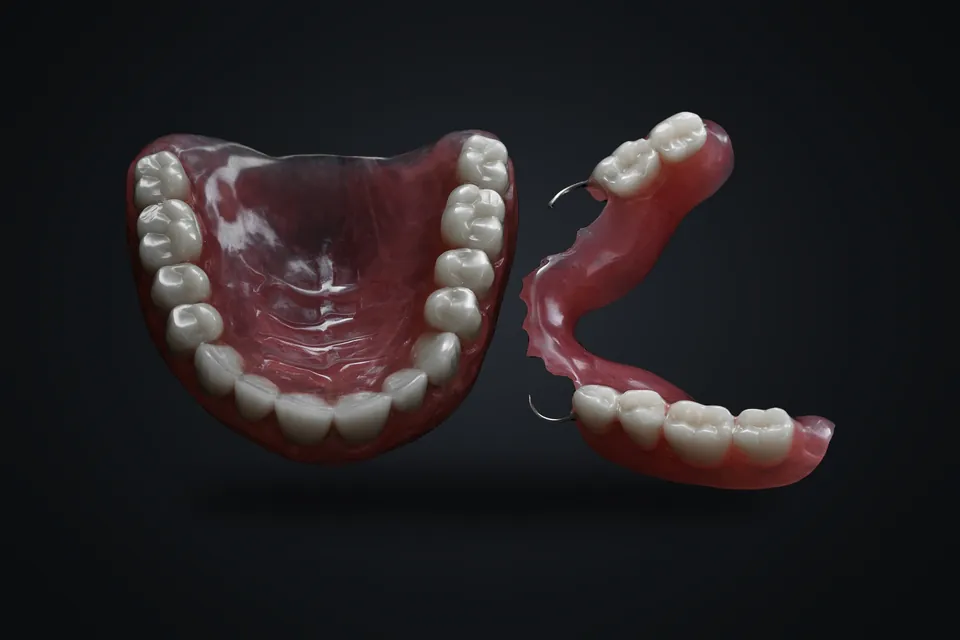
Deflex is used for partial dentures with a flexible thermoplastic base, and acetal for tooth-coloured clasps and retentive elements. We recommend both materials where you do not want metal clasps to show, and for plans that need long-term vertical support we compare them with a metal framework and decide together.
Indications
When to choose it
- Partial cases where visible metal clasps in the anterior region are not wanted
- Temporary or interim partial denture (according to the dentist's plan)
- Patients with a reported metal sensitivity
- Cast partial or partial denture requiring tooth-coloured clasps (acetal)
- Flexible base for ridges with marked undercuts
Points to discuss with the laboratory
- A flexible base provides limited vertical support; for cases needing rests and long free-end saddles, a metal framework may be more predictable.
- Reline and repair options are more limited than for an acrylic base; this should be discussed before planning.
- An acetal clasp is designed thicker than a metal clasp; space can be an issue in narrow areas.
For the dentist
No visible metal clasps
Retention is provided by a gum-coloured flexible base or tooth-coloured acetal clasps.
Retention from undercuts
The flexible base contributes to retention by engaging undercuts on the ridge.
Impact resistance
The flexible structure is more resistant to fracture from drops and impact than a conventional acrylic base.
Materials
| Material | Brand | Note |
|---|---|---|
| Deflex | – | Flexible thermoplastic base |
| Acetal | T.S.M Asetal Dental | Tooth-coloured clasps and retentive elements |
| Denture teeth (Vivodent, Yamachi, Ortalux) | Ivoclar, Yamachi, Union Dental | Tooth set-up |
Manufacturer and CE details of materials are on the Quality page.
What we need when you send a case
- Detailed impression showing undercuts and vestibular depth
- Opposing arch and bite registration
- Tooth shade (VITA guide) and gingival shade preference
- Deflex or acetal preference; whether the acetal clasp attaches to the framework or the acrylic
- Note on the position and mobility of the abutment teeth
Production process
- Model analysisUndercuts and clasp areas are assessed on the surveyor.
- Set-up try-inTeeth are set in wax; aesthetics and occlusion are tried in the mouth.
- InjectionDeflex or acetal is heated and injected into the mould.
- Retention adjustmentClasps and base borders are adjusted on the model to the path of insertion and removal.
- PolishingThe surface is finished with a polishing method suited to the material.
Frequently asked questions
Can a Deflex denture be relined?
Flexible bases cannot be relined as easily as conventional acrylic; relines and repairs must be carried out in the laboratory using a method suited to the material. This should be considered in planning where the ridge is expected to change soon.
How much retention does an acetal clasp provide?
An acetal clasp is more flexible than a metal clasp; similar retention requires more undercut and a thicker cross-section. The undercut is measured during model analysis and the clasp is designed accordingly.
What care should I recommend to the patient?
The denture should be cleaned with a soft brush and a suitable denture cleanser; abrasive pastes should not be used. Thermoplastic materials can be affected by heat, so they should not come into contact with hot water.
Frequently requested with this case
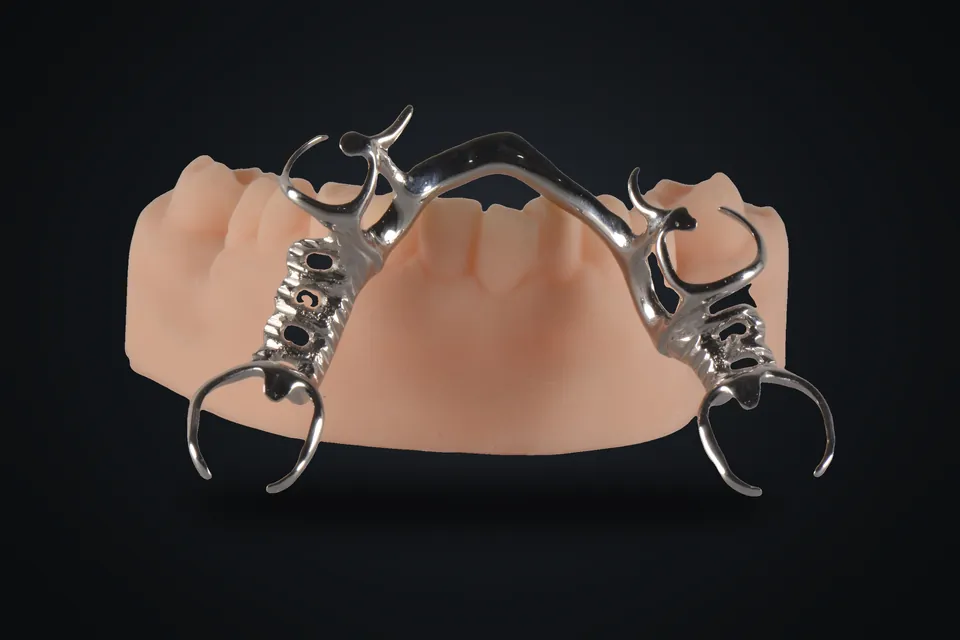
Cast Partial Dentures (CoCr Framework)
Cast metal framework with clasp and rest design, with surveyor analysis and a framework try-in.
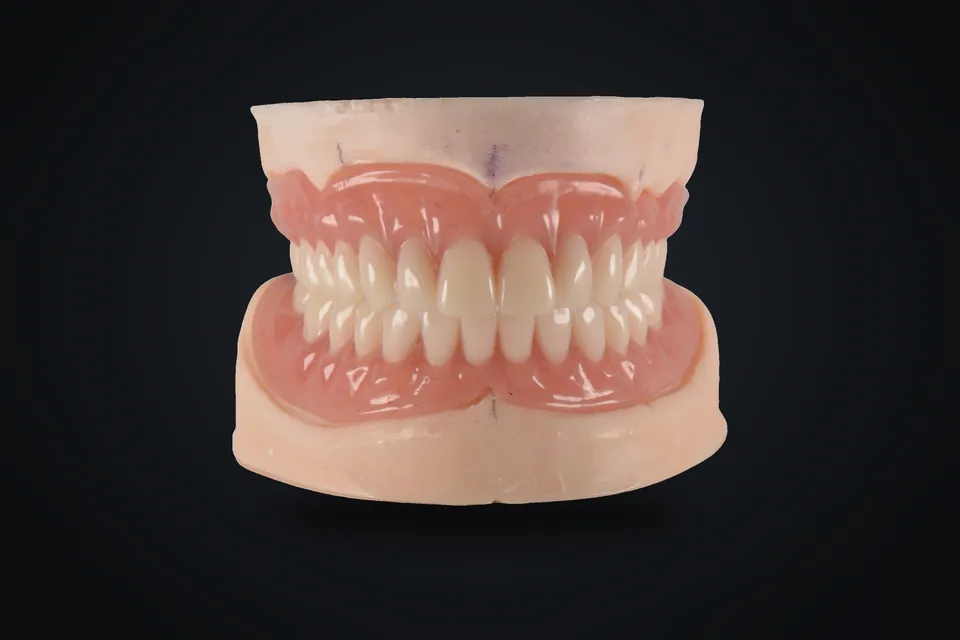
Complete Dentures
A complete denture built stage by stage with a custom tray, wax rim and set-up try-in.
Precision Attachment Dentures
Clasp-free combined prosthesis with precision retainers attached to crowns; the fixed and removable parts are planned together.
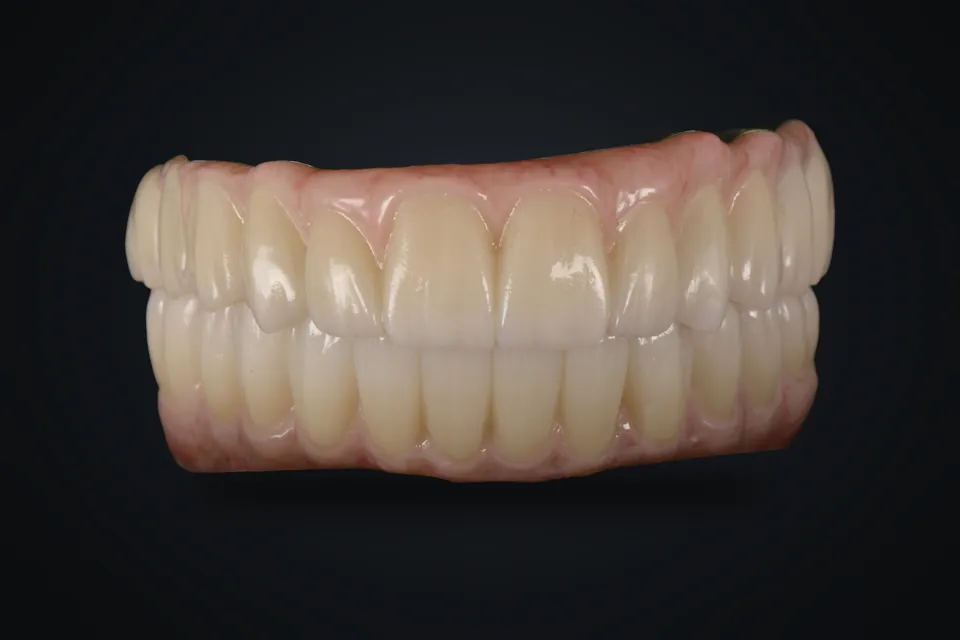
Send your Deflex and acetal case.
Fill in the form or call us. Your case manager responds within 24 hours.