
- Home
- Products
- Removable prostheses
- Cast Partial Dentures
Cast Partial Dentures (CoCr Framework)
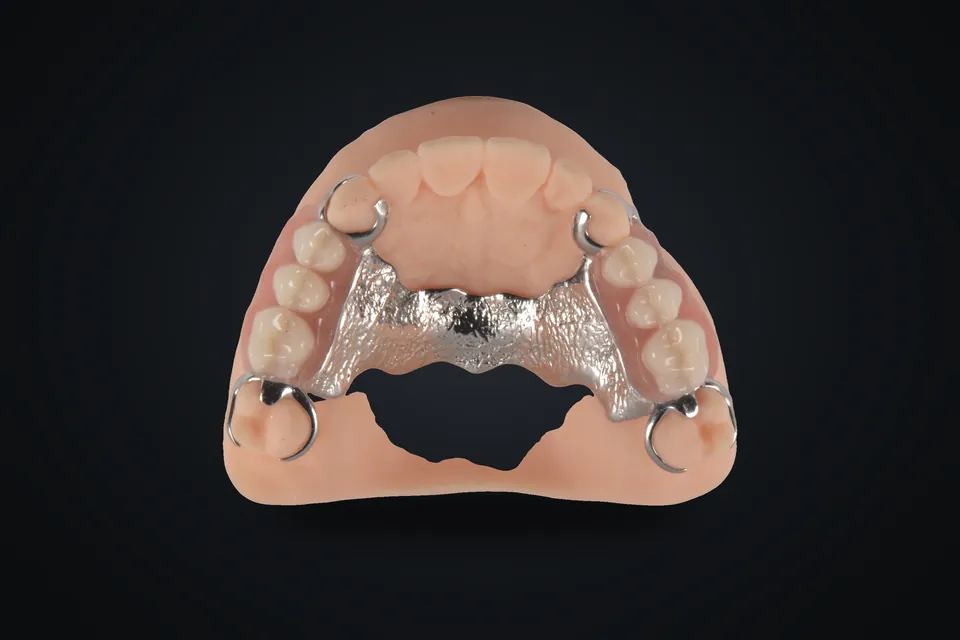
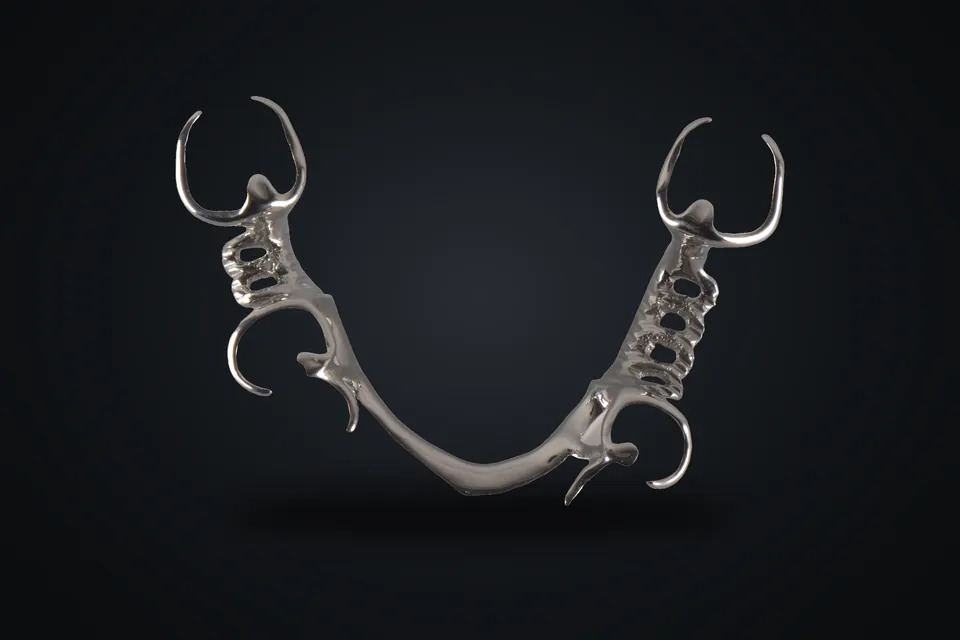
A cast partial denture is a partial denture with a cast metal framework, supported by the remaining teeth through rests and clasps. We carry out the surveyor analysis and design on the model, and if rest seats or guide planes are insufficient we inform you before casting.
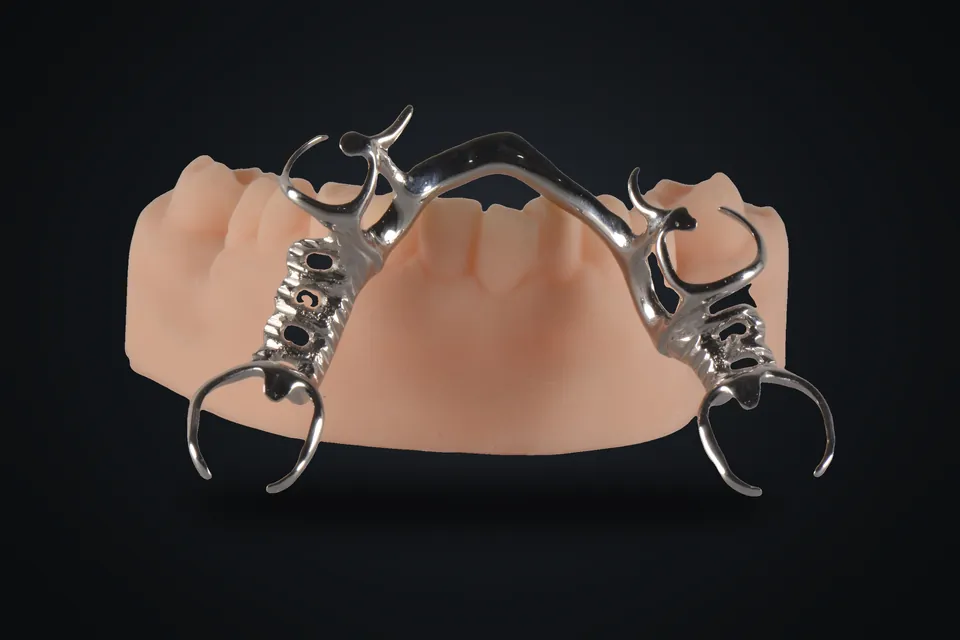
Indications
When to choose it
- Kennedy Class I and II free-end saddles
- Kennedy Class III and IV bounded saddles
- Multiple missing teeth where a fixed prosthesis is not possible
- Combined work with precision retainers, telescopic crowns or acetal clasps
- Supporting teeth with reduced periodontal support with a prosthesis (according to the dentist's plan)
Points to discuss with the laboratory
- On teeth without prepared rest seats and guide planes, the framework may not seat stably.
- Visible clasps in the anterior region are an aesthetic problem; precision retainer or acetal clasp options should be discussed.
- In free-end cases, base fit can deteriorate over time; the need for relining should be explained to the patient.
For the dentist
Surveyor analysis
Path of insertion, retentive areas and undercuts are determined on the model. Clasp tips are positioned according to this analysis.
Feedback before casting
If rest seats or guide planes are insufficient, you are informed before casting, avoiding an unnecessary try-in appointment.
Connectors shaped to the anatomy
The major connector type is chosen according to floor-of-mouth depth, palatal anatomy and your preference.
Materials
| Material | Brand | Note |
|---|---|---|
| Shera framework alloy | Shera | Framework metal |
| Magnum | MESA | Framework metal |
| Denture teeth (Vivodent, Yamachi, Ortalux) | Ivoclar, Yamachi, Union Dental | Tooth set-up |
| Acrylic (Vertex, Biodent Plus) | Dentimex, Dentsply | Base |
Manufacturer and CE details of materials are on the Quality page.
What we need when you send a case
- Detailed impression (alginate or silicone) of the teeth with prepared rest seats and guide planes
- Opposing arch impression
- Bite registration; with a wax-rim record base if the occlusion is unstable
- Design preference: major connector type, clasp preference
- Tooth shade (VITA guide)
- Plan for the fixed part in combined work
Production process
- Surveyor analysisThe model is analysed; path of insertion and retentive areas are marked.
- Design and refractory modelThe framework design is drawn, undercuts are blocked out and a refractory model is prepared.
- Wax-up and castingThe framework is waxed up and cast in framework alloy.
- Framework try-inThe metal framework is tried in the mouth for seating, rest contact and clasp fit.
- Set-up and finishingAfter the tooth set-up try-in, the acrylic part is completed and polished.
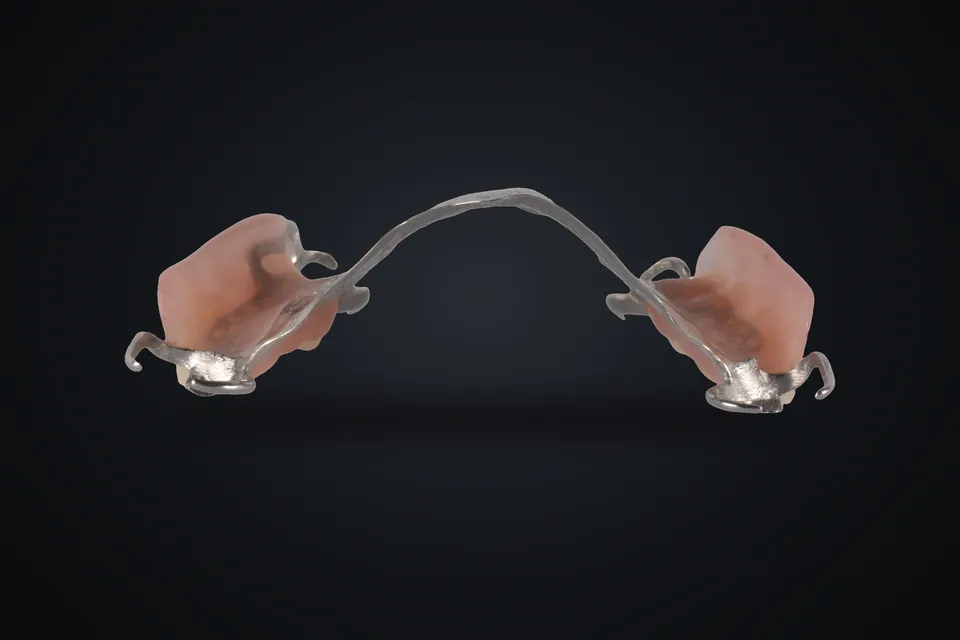
Photographs
Frequently asked questions
Can a framework be made without preparing rest seats?
On a tooth without a rest seat, the rest raises the occlusion or the framework does not seat fully on the tooth. If existing restorations have enough space, minor preparation may be sufficient. After model analysis we tell you which teeth need preparation.
What impression should I take for a free-end case?
In free-end areas, an impression that reflects the position of the tissue under function improves base fit. Where necessary, the altered cast technique can be used after the framework try-in. We choose the method with you according to the case plan.
How can I make clasps less visible?
In the anterior region, precision retainers, telescopic crowns or acetal clasps can be used instead of clasps. Gingivally approaching clasps such as the I-bar are less visible. The choice depends on the position of the abutment tooth and the amount of undercut.
Frequently requested with this case
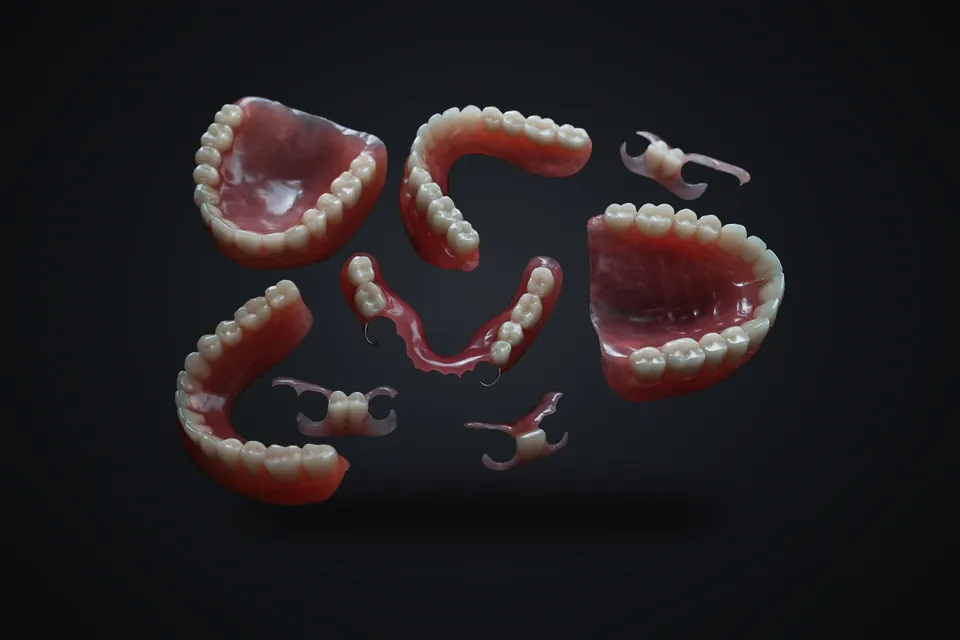
Precision Attachment Dentures
Clasp-free combined prosthesis with precision retainers attached to crowns; the fixed and removable parts are planned together.
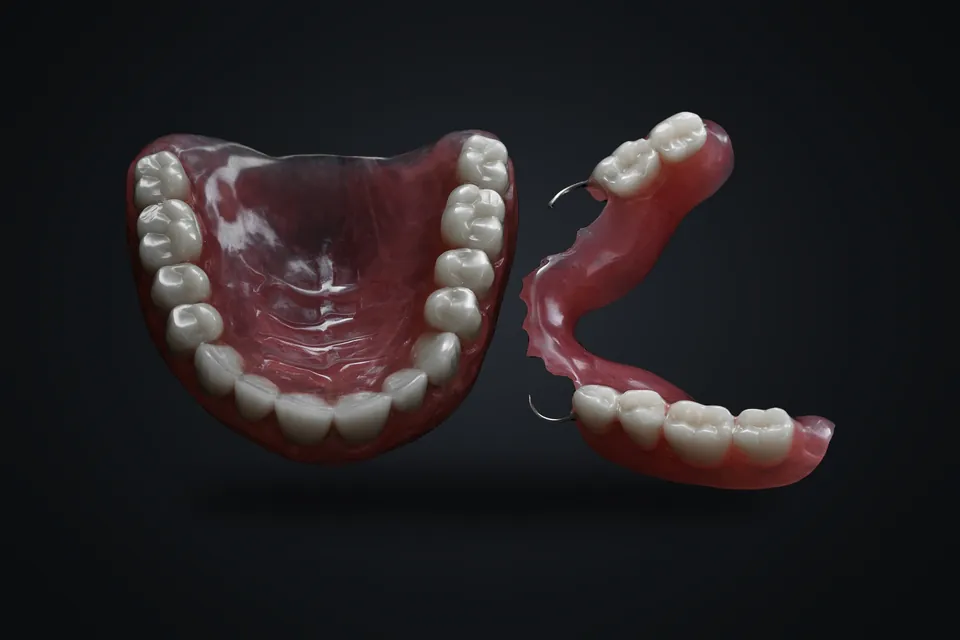
Telescopic Dentures (Primary and Secondary Crowns)
A removable denture retained by the fit of primary and secondary crowns, which can be extended when needed.
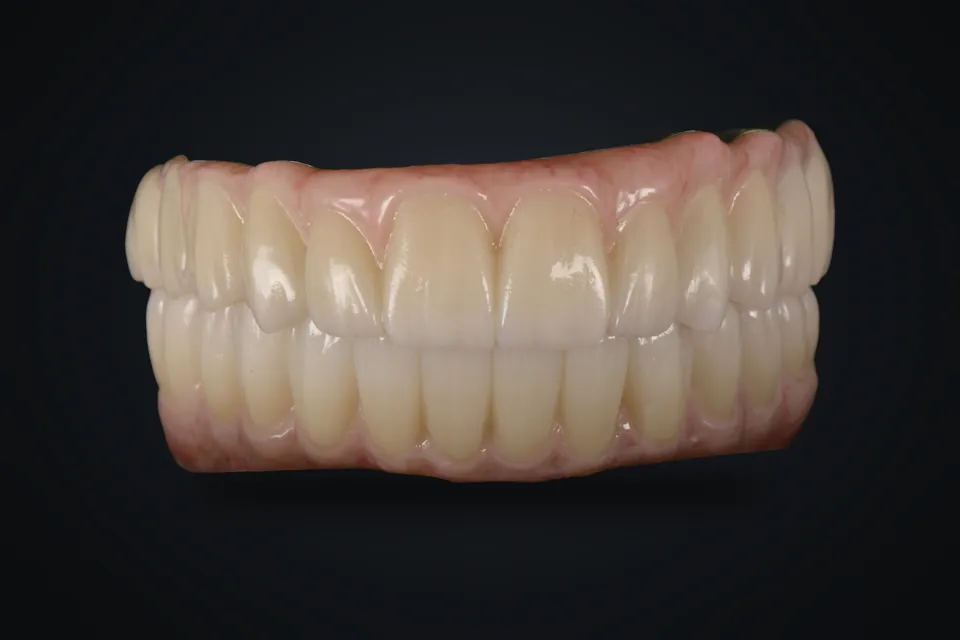
Flexible Dentures (Deflex and Acetal)
Deflex flexible dentures without metal clasps and tooth-coloured acetal clasps, for the aesthetic zone.
Send your cast partial denture case.
Fill in the form or call us. Your case manager responds within 24 hours.